
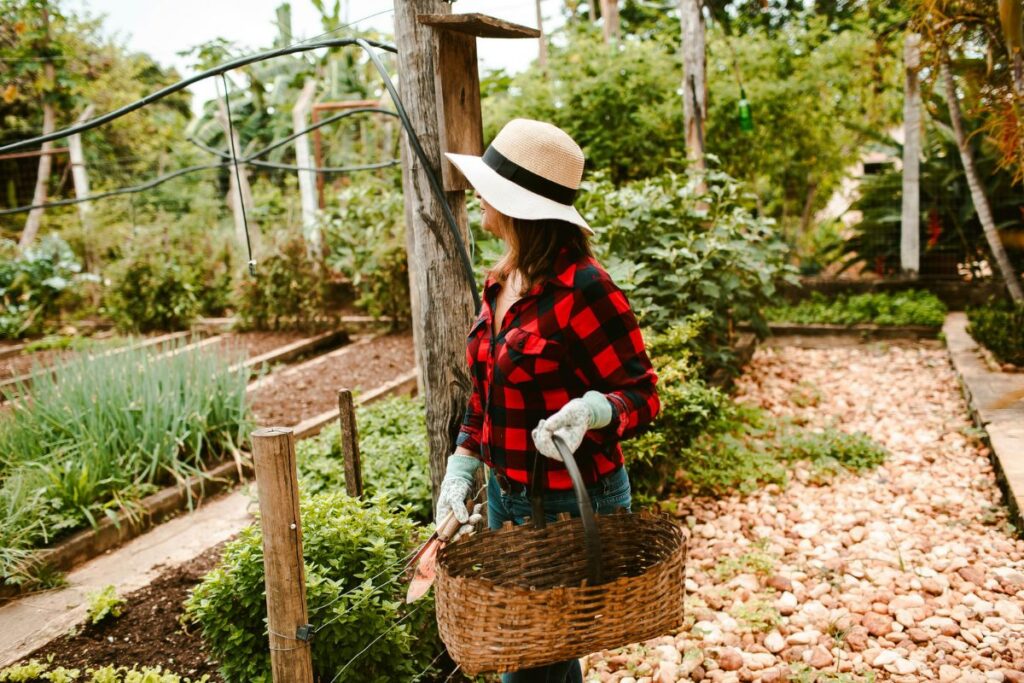
If you garden around Chicago, fall can sneak up on you.
One week, the tomatoes are still hanging on. The next, the nights are cooler, the days are shorter, and you are checking the forecast, wondering whether you have one more week or one more day.
Extending the growing season is less about trying to keep summer alive and more about adjusting to what the season is giving you. Take a look at what is already growing and ask:
- What is still producing well?
- What can tolerate colder weather?
- What should be harvested before temperatures drop?
- What could be covered for another few weeks?
- What could move indoors?
You do not need a greenhouse or a complicated setup to buy yourself a little more time.
Around Chicago, October 19 is the normal first freeze date at O’Hare, based on current climate normals, although the actual timing can vary by year and across the region.
If you planned ahead, this may be the time to protect established spinach, kale, carrots, radishes, and other cool-season crops so you can keep harvesting after summer plants are finished.
If you are starting later, focus on protecting what is already growing, harvesting warm-season crops before frost, using fast-growing crops or transplants where there is still enough time, and moving part of your growing indoors.
When planting for fall, work backward from the expected frost date using the crop’s days to maturity, and allow some extra time because plants grow more slowly as temperatures cool and daylight decreases.
Fall gardening rewards some planning, but there is still plenty you can do even if October was not on your mind back in July.
Know Which Crops Can Handle the Cold
Some vegetables actually prefer cooler fall temperatures.
Beets, carrots, cauliflower, and lettuce can generally tolerate a light frost. Hardier crops such as broccoli, cabbage, radishes, spinach, and kale can usually handle colder conditions.
That makes them much better candidates for extending your season than warm-weather crops such as tomatoes, peppers, cucumbers, or basil.
If you already have cool-season crops growing, your goal may simply be to protect them long enough to keep harvesting.
If you are planting late, pay close attention to the days-to-maturity information on your seed packet or plant tag. By October, there may not be enough daylight and warmth for every crop to reach maturity outdoors, even if it handles cold weather well.
The key difference is whether the plant is already established or just getting started.
Raised Beds Make Season Extension Easier
If you already garden in raised beds, you have a useful starting point.
The bed itself does not automatically give you another growing season, but it makes adding protection easier.
Raised beds also make it easier to clear out finished summer crops and transition the space to something better suited for cooler weather.
If the tomatoes or cucumbers are finished, that same bed might still hold established greens, radishes, carrots, or other cool-season crops.
A Low Tunnel Is Simpler Than It Sounds
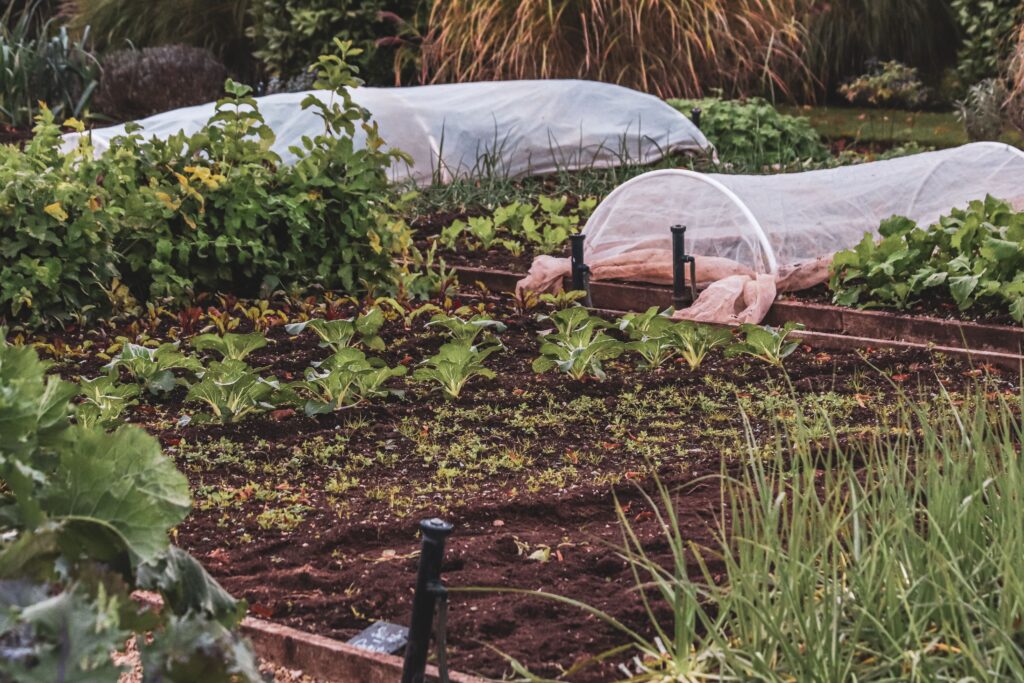
“Low tunnel” can sound more complicated than it actually is.
At its most basic, it is a row of hoops placed over a garden bed with protective fabric or plastic stretched across the top.
A simple setup may include:
- Garden hoops
- Floating row-cover fabric
- Greenhouse-grade plastic for colder conditions
- Clips, clamps, stakes, or weights to keep the covering secure
Row cover can give plants some protection as temperatures approach freezing while still allowing light and air through. Heavier protection can be added as the weather gets colder.
One thing to watch is temperature inside the tunnel. Even on a cool fall day, direct sunlight can warm the covered space quickly, so you may need to vent it during warmer stretches and close it again before nighttime temperatures drop.
You do not need to protect every garden bed. Try one and learn how it performs in your space.
If You Missed the Fall Planting Window, You Still Have Options
Many fall crops in northern Illinois need to be planted during summer so they have enough time to mature before temperatures and daylight slow their growth.
So if you are reading this later in the season, do not look at a list of fall vegetables and assume everything can still go in the ground.
Focus on what is realistic:
- Protect cool-season crops that are already established
- Harvest summer vegetables before a freeze
- Use transplants instead of starting from seed where appropriate
- Choose very fast-maturing crops if your weather window still allows it
- Move containers closer to the house or another protected area
- Bring herbs indoors
- Start microgreens inside
Sometimes the best choice is simply to leave a crop for next year and put your time into something that still has room to grow.
Bring a Little of the Garden Inside
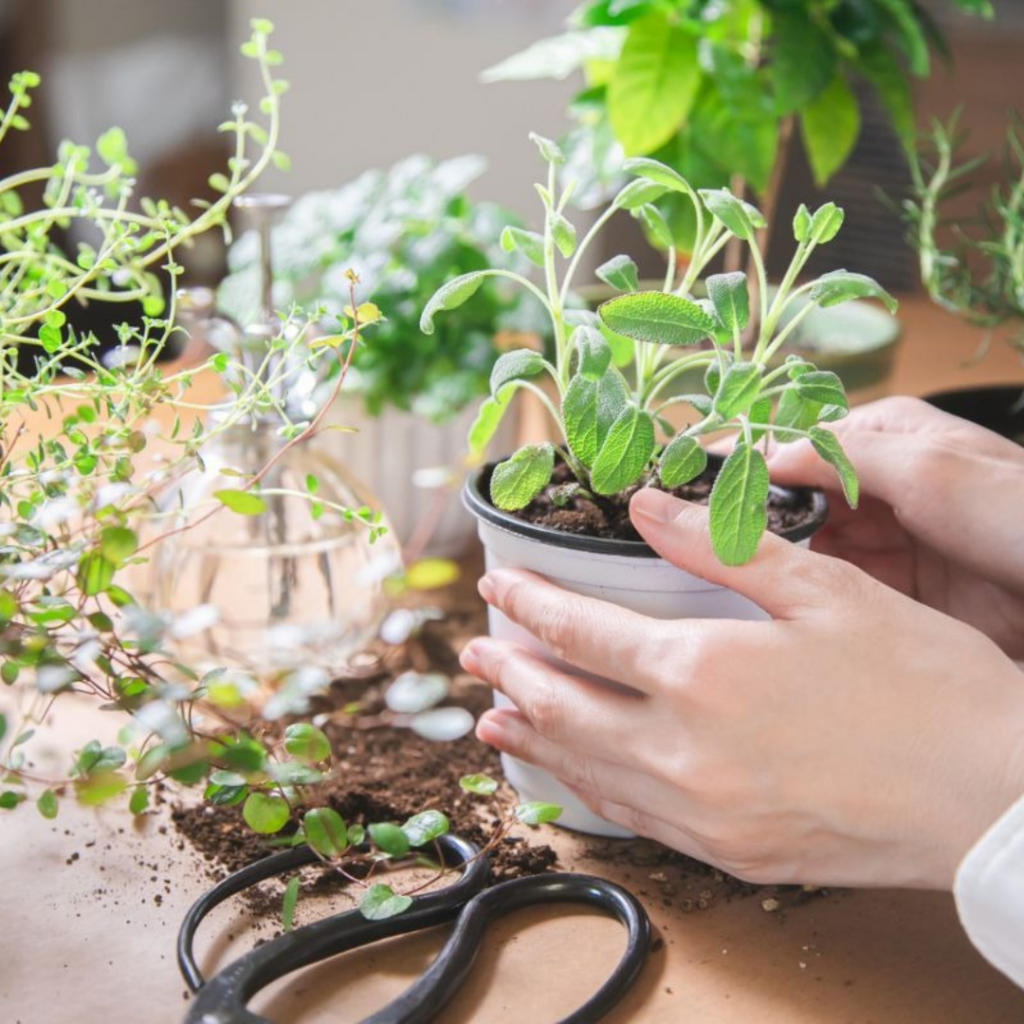
When outdoor growing slows down, part of the garden can come inside.
Herbs are one of the easiest places to start.
If you have healthy container herbs outside, you may be able to bring some of them indoors before freezing weather arrives. You can also start fresh herbs or microgreens if the outdoor plants are finished.
A few basics make indoor growing easier:
- Use containers with drainage holes.
- Use potting mix rather than garden soil.
- Give herbs plenty of bright light.
- Add a grow light if your windows do not provide enough winter light.
- Keep plants away from direct heat sources.
- Watch for dry indoor air.
- Rotate pots if plants begin leaning heavily toward the light.
A bright window may be enough for some herbs, but Chicago winter light is limited. Supplemental lighting can help if you want plants to keep producing rather than simply surviving.
You also do not need a large indoor setup. A pot of chives, a few herbs near the kitchen, or one tray of microgreens still gives you something fresh to grow while the outdoor garden rests.
Use This Fall to Plan Next Year’s Garden
Maybe you found this article after your best fall planting window had already passed. That does not make the season a loss.
Fall is still a good time to observe what is happening around you and use that information to plan ahead. If you already have a garden, keep a few simple notes:
- When did your first frost happen?
- Which crops kept producing into cooler weather?
- Which plants struggled first?
- Did row covers or other protection help?
- What do you wish you had planted earlier?
If you did not garden this year, you can still pay attention to what is growing in neighborhood gardens, at farmers’ markets, and around your own yard. Notice which cool-season crops interest you and when the weather begins to shift.
Those observations will give you a much better starting point next year. You will already have a clearer idea of what you want to grow, when to plant it, and what kind of season-extension setup you may want to try.
Pick One Thing to Try This Fall
You do not have to do all of this at once. Start with one small experiment:
- Cover one raised bed.
- Build one low tunnel.
- Protect one row of spinach.
- Bring a few herb pots indoors.
- Start one tray of microgreens.
Then pay attention to what works in your space, what handles the colder weather well, and what you would do differently next time.
Season extension is something you can learn a little at a time.
Keep Growing With Beats, Beds & Browns
Want to keep learning? Here are a few ways to keep growing with us:
Want to learn more about extending your growing season? Join Beats, Beds & Browns for the Extend the Growing Season webinar on Tuesday, December 8, 2026, from 9:00–10:30 a.m. CST.
- Get a free seed kit through BBB’s #100Kin10Yrs movement and start growing something of your own.
- Listen to the Beats, Beds & Browns podcast for more gardening news, practical ideas, food conversations, music, culture, and stories from people doing the work. You can find us on iHeartRadio, Apple Podcasts, and Spotify.
Remember, you do not need the perfect garden or the perfect setup. You just need somewhere to begin.

